
I found my first apartment by chance.
It was a walk-up built in the 70s, the kind with a dimly lit concrete common corridor and enough quirks that no two units in the block were quite the same. I wasn't looking for it specifically. I just happened to hear about it, went to see it, and knew almost immediately that this was the one. Not because it was perfect. Because I knew I could make it perfect.
The apartment is a big part of why Uncommon Homes exists.
A confession: London ruined me for cookie-cutter homes
I pursued a degree in Econometrics in London — of all things. If you've been to London, you'll know what it does to your sense of what a home can be. Georgian terraces sit next to Victorian conversions that sit next to a glass extension somebody's architect talked them into in 2015, and somehow it all still reads as one continuous story. Nobody tore the old houses down to start over. They renovated sensibly, extended thoughtfully, and kept enough of the bones that you could still read the building's age in its walls.
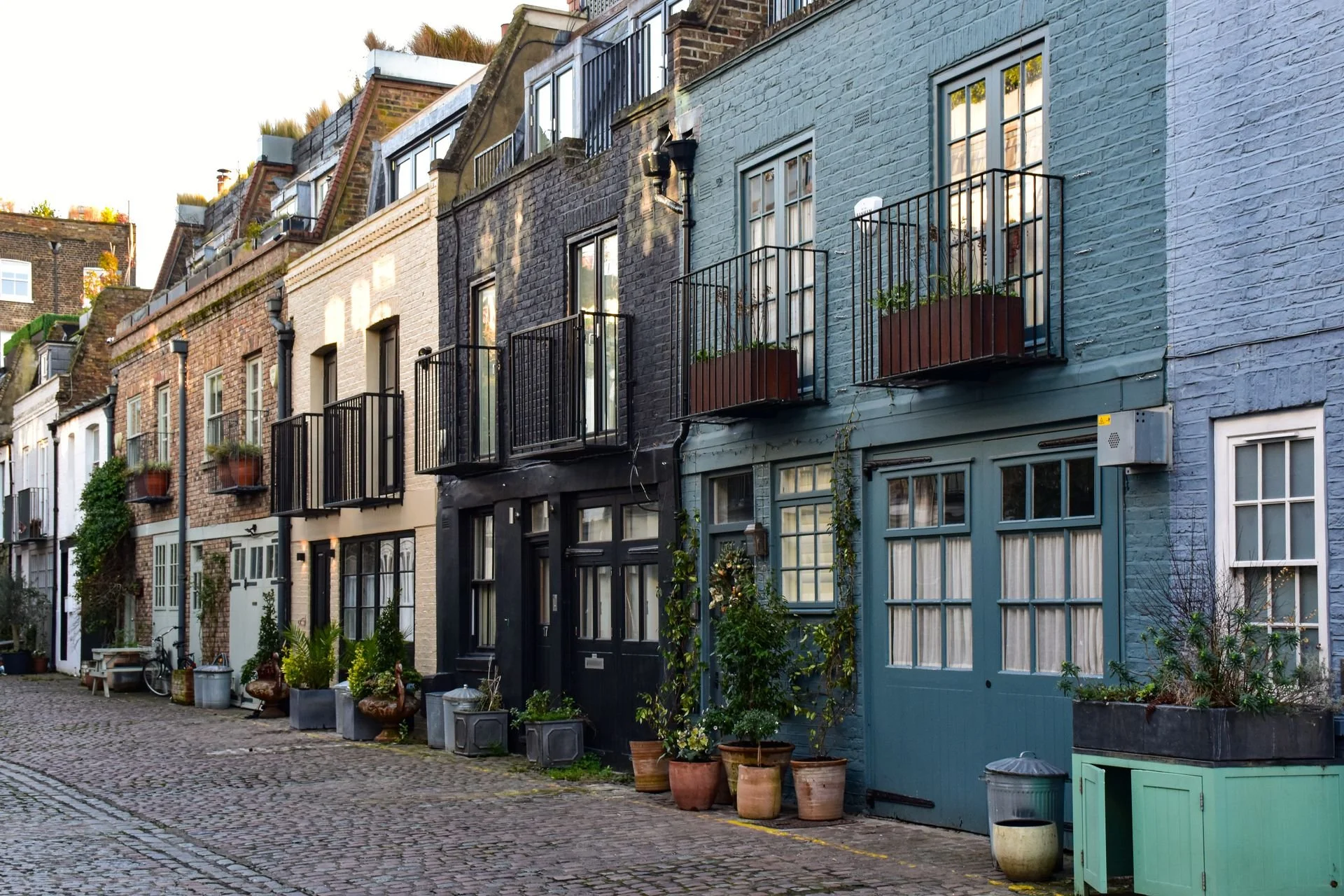
A row of townhouses in Notting Hill, London, built in the 18th and 19th century
I came back to Singapore searching for that same feeling in a home of my own, and it took a while to understand why I couldn't easily find it. The answer had less to do with taste and more to do with how this country was built.
We built up because we had to
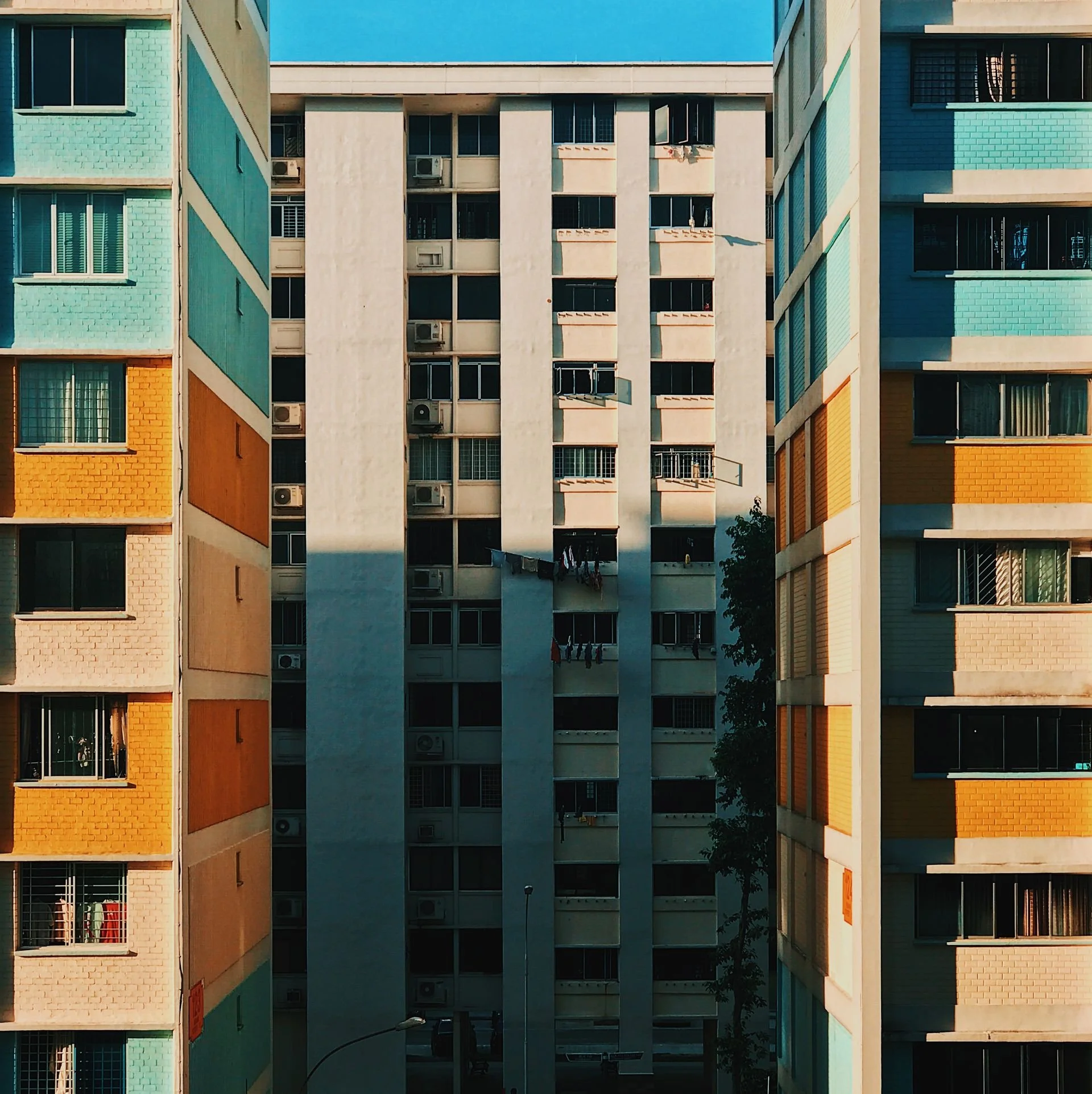
London, and many older European cities, had centuries and a continent's worth of land to grow into. Singapore had neither. By the time we became independent in 1965, we had a housing crisis on our hands. The Housing & Development Board solved it the only way it could at that speed: build vertically, standardise the units, repeat the floor plan across a whole town. It worked spectacularly. Today over 80% of us live in HDB flats.
But that success came with a trade-off. Standardisation was never a design philosophy. Here, it was a survival strategy that became the default way we build almost everything since, condos included, as private developers followed the same playbook of stacking repeatable units into high-rises.
It's worth remembering it wasn't always this way. The shophouse, born out of colonial frontage taxes, still ended up wildly eclectic because different owners over different decades built to their own taste within the same basic shell. Even the SIT flats of the 1930s, our first public housing experiment in places like Tiong Bahru, were standardised blocks that have since become some of the most characterful addresses in Singapore because owners spent ninety years quietly making them their own. They were homes designed to be felt.
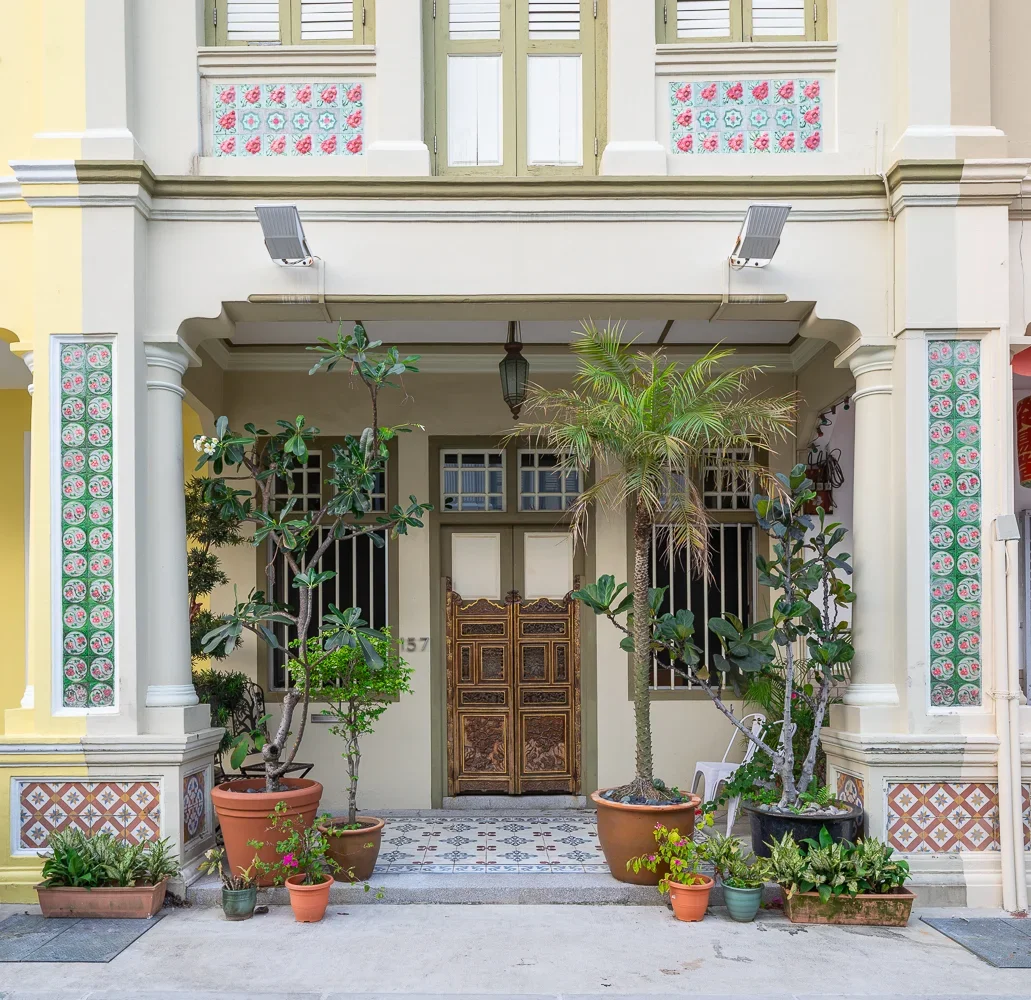
A conserved shophouse in Joo Chiat
Which raises the question I keep coming back to: if all of these started out standardised and ended up full of character, at what point does a cookie-cutter home stop being one?
The answer isn't the building. It's what you do to it.
A home stops being cookie-cutter the moment someone stops treating it as a shell to move into and starts treating it as a place to shape. That can be a full renovation, or as restrained as choosing finishes contrary to what the showflat suggested. It's not about budget. It's about intention.
Here's the thing I'd gently push back on: standardisation was a response to a moment, a housing shortage, a young nation, a finite plot of land. That moment has passed. The urgency that justified the cookie-cutter approach in 1965 doesn't apply to how you renovate your resale flat in 2026. The standardisation a developer offers is now a choice, not a necessity.
A client of mine, Hazel, bought a brand new development in Holland Village and renovated right after collecting her keys. We added a Dekton terracotta kitchen counter in an L-shape against plum-coloured backsplash tiles, took down the wall between her common room and living room and replaced it with maroon-framed glass, and repainted the developer's white walls a warm pastel. Small, intentional moves. The apartment stopped feeling like anyone else's the moment we made them.
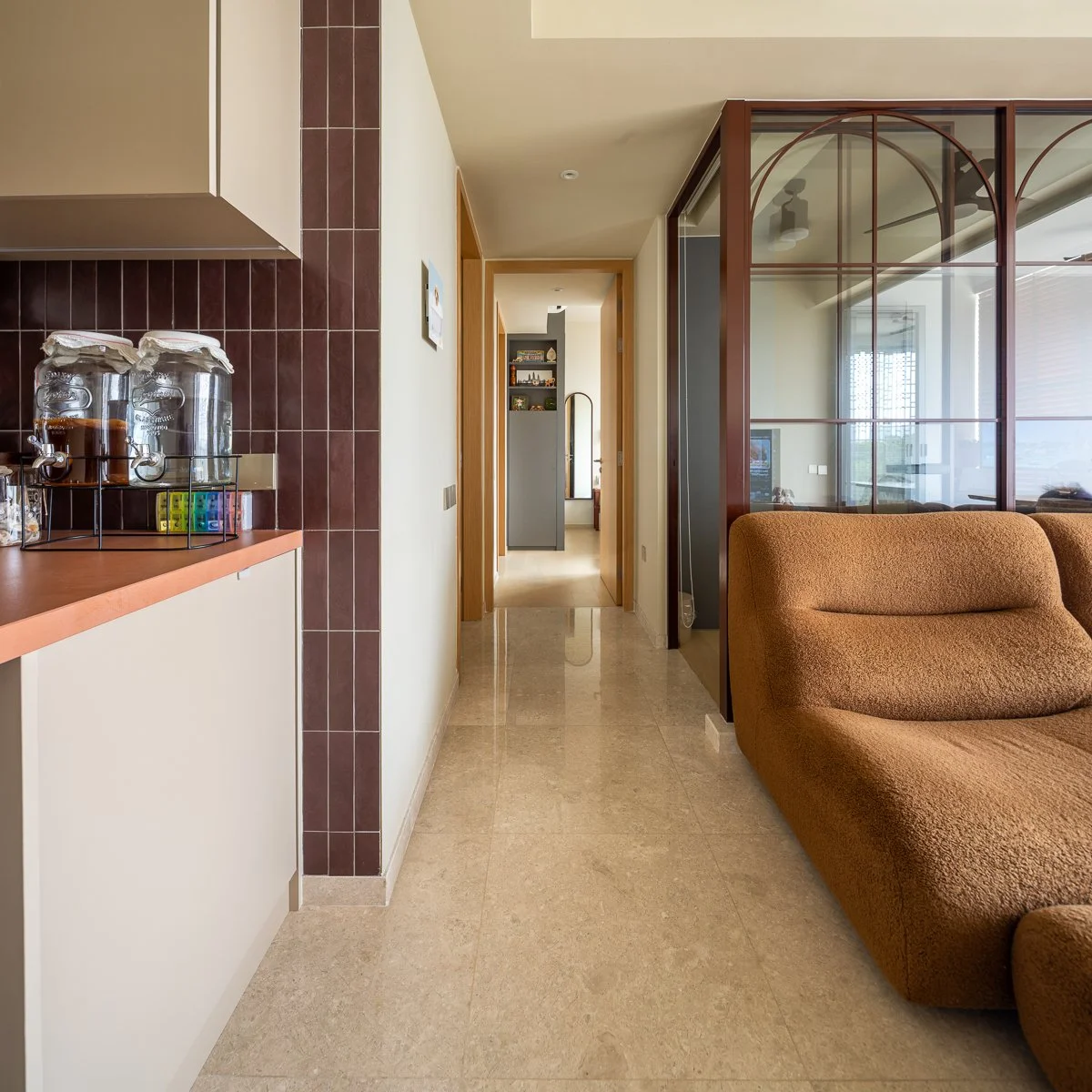
Hazel’s apartment at One Holland Village, designed and renovated by Parchment Studio
Self-expression in a home isn't a luxury add-on. A home that reflects how you actually live will make you happier than one optimised by a developer. That's not a design opinion, it's just how people relate to space.
And yes, it can be good for your wallet
Departing from the standard developer layout doesn't just make a home more yours. Done thoughtfully, it can make it more valuable too. Look at conservation shophouses across the island: structurally some of the oldest, least “efficient” stock we have, yet commanding some of the highest prices psf, because buyers are actively looking for what a standardised condo can't give them. Character isn't just an aesthetic preference anymore. It's increasingly a scarcity premium, and it scales down to individual renovations too.
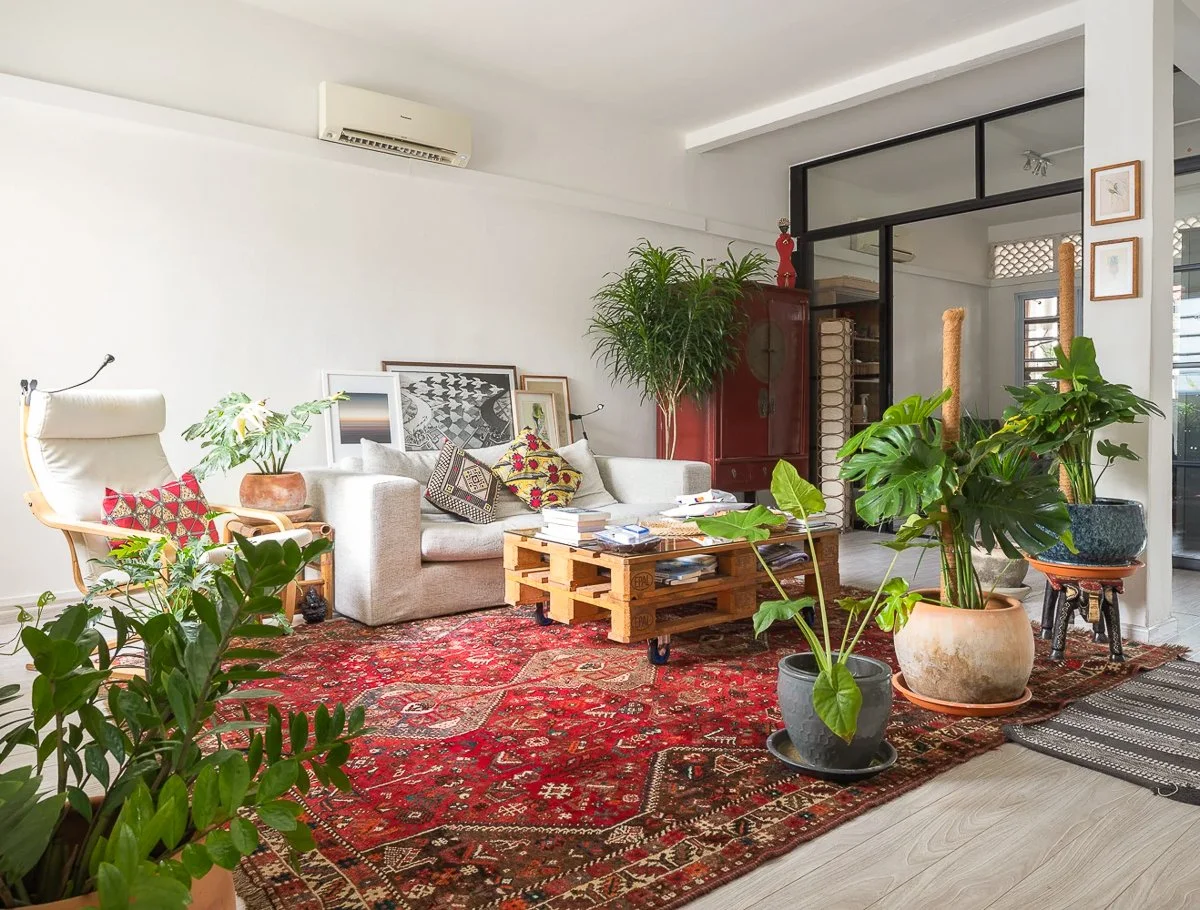
Eclectic walk-up apartment in Joo Chiat
That’s the same for any other property. A thoughtfully reworked flat does not lose value as gadgets age. It gains presence as it records a life lived within it, standing out immediately in a listing full of near-identical units, often selling or renting at a premium. We do not have to accept the cookie-cutter approach from a developer as the definitive standard for modern living. True character is something no new luxury launch can replicate.
What Uncommon Homes is actually for
This is the space I want to work in: homes that have shifted, or want to deviate from the standard layout, the standard finishes, the general idea of what a Singapore home should look like. Shophouses. Walk-ups. Terraces. Character apartments. Even HDB flats. Homes where someone has already put thought into the bones, or homes with the right bones waiting for someone who will.
If that's the home you're in and you're thinking of selling or renting it, I'd like to have a chat with you. Homes with real character deserve to be marketed to people who'll recognise what they're looking at.
Singapore didn't have the luxury of centuries to let its housing develop character slowly, the way London's did. But as the shophouses and the SIT flats have shown us, that character can still arrive, just on our own timeline.
Quisque iaculis facilisis lacinia. Mauris euismod pellentesque tellus sit amet mollis.